





The planned closure of Marston’s in Burton-on-Trent is like a death in the family. I have been to the brewery many times and delved deep into its history of pale ale brewing and its commitment to the Burton union system of fermentation.
I was on hand on one occasion to witness an apprentice cooper being tarred and feathered then rolled round the brewery yard in an unfinished oak cask as part of the trussing in ceremony when he qualified.
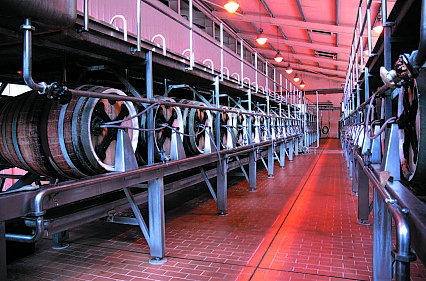
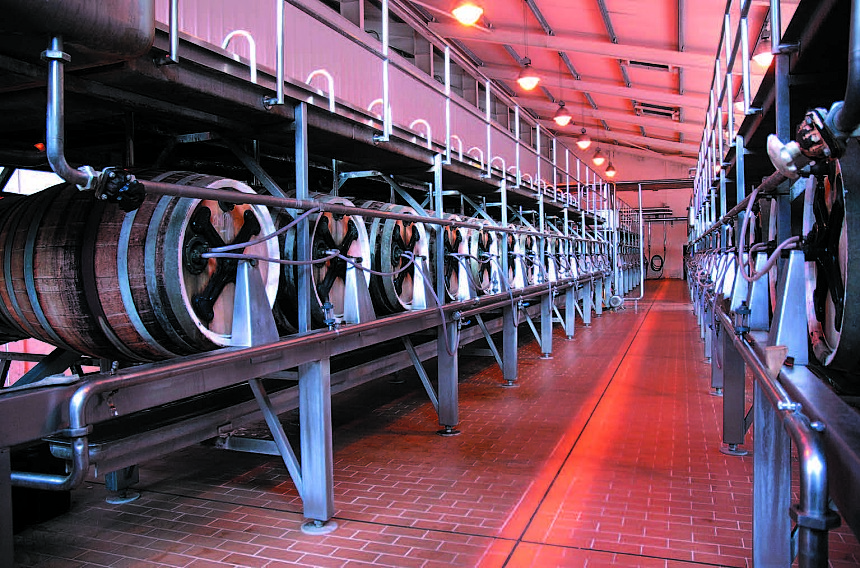
On another occasion I described the union fermenting rooms (pictured) as “the cathedrals of brewing”. As a result, visitors were shown round the unions by a guide dressed in full bishop’s robes, including a mitre. He winked and told me he kept a drop of Pedigree in the mitre to refresh his tonsils after a tour.
This history and commitment means little or nothing to Carlsberg. It is not alone. Heineken has closed Caledonian in Edinburgh. The term historic is over-used but it surely applies to Caledonian, founded in 1869, with fine Victorian buildings, open fermenters and coppers heated by direct flame.
It concentrated on Scottish beer styles such as 80 Shilling and found national acclaim when Deuchar’s IPA was named CAMRA’s Champion Beer of Britain in 2002. A fine record washed down the sluice by Heineken.
Not to be outdone in the massacre stakes, Molson Coors is closing Sharp’s brewery in Cornwall, home to Doom Bar and Atlantic cask beers. The Canadian/American conglomerate that brews Carling lager in the former Bass breweries in Burton, will move the Cornish ales to Camerons in Hartlepool.
Beers named after the Atlantic sea and a sand bar in the River Camel are being shunted some 340 miles to a brewery in a port overlooking the North Sea. Recalling my Cockney upbringing, I have to ask Molson Coors: “You ‘avin a larf, mate?”
Where Carlsberg is concerned, we’ve been round the mulberry bush with the Danes before. In 1998 they bought the Tetley brewery in Leeds. This was another historic site, home to one of the leading cask beers in the country, Tetley Bitter, an ale that made proud Yorkshire folk weep with joy.
No matter. In 2011 Carlsberg closed the brewery and the beer has joined the elephant’s graveyard at Marston’s.
It’s fitting that Carlsberg is Danish as it’s killed as many breweries as there are dead bodies in the last act of Hamlet.
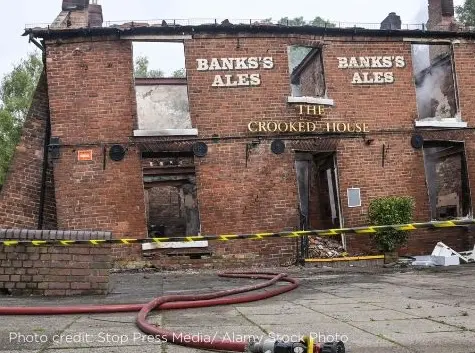
Jennings in Cumbria has been saved by locals but Banks’s, Ringwood and Wychwood have been despatched.
Too many lazy reporters of the closures have merely repeated Carlsberg’s claim that the cask beer sector has declined by half in the past decade.
The experience of other brewers tells a different story. Timothy Taylor is brewing more cask beer than before the Covid pandemic and lockdowns. Theakston, which will celebrate 200 years of brewing in 2027, said it enjoyed its most successful year ever in 2025.
Robinsons of Stockport has invested mightily in a new brewery with expanded capacity and said sales of its cask beers are “outperforming the market”. Thornbridge in the Peak District reports growing sales, with cask accounting for 80 per cent of its production.
It has a Burton union set, jettisoned by Carlsberg, and produces batches of its award-winning Jaipur IPA using the 19th-century system that put pale ale on the world map.
All the way down to St Austell in Cornwall, it’s the same story, with the brewery enjoying strong sales of Tribute and Proper Job. It has no plans to move production to Hartlepool.
And now, cajoled and nudged for years, the world’s biggest brewer, AB InBev, is at last promoting the great Burton ale Draught Bass and reporting enormous interest and growing sales.
The real reason for the butchering of cask breweries is not the claimed fall in sales of cask but the simple fact that Carlsberg, Heineken and Molson Coors have no interest or background in brewing it. Their driving force, their reason for being, is filtered and pasteurised keg lagers with a long shelf life. Cask beer is a fiddly nuisance for them. It’s a beer that must be consumed within a few days of reaching a pub and – heaven forefend – it’s a low-profit product.
The new edition of the Good Beer Guide lists 22 beers currently produced at Marston’s. What will happen to them? Carlsberg says it will continue to brew Hobgoblin, McEwan’s and Brooklyn – but where? And what will happen to the remaining 19?
Marston’s brews Draught Bass and AB InBev will be keenly aware that the historic ale will lose all credibility if it moves from its ancestral home in Burton.
Young’s in London, which ceased brewing in 2006, has an estate of 288 pubs and will be desperate to supply them with Bitter and Special. Tetley pubs in the north will be equally concerned by any lack of Bitter.
The Ringwood pubs in the south of England will be in urgent need of Razorback and Fortyniner. They won’t get Old Thumper, another former Champion Beer of Britain, as Carlsberg sent that toppling into the tomb some time ago.
The Brakspear pub company, shorn of its brewery, will want Oxford Gold and Special while – and here’s the grim irony -- Marston’s, once a revered name in British brewing and now reduced to the status of a pub company, will need Pedigree for its bars.
And like Draught Bass it must surely be brewed in Burton.
What can be done to stop the massacre of Marston’s? The answer is government action. If buildings, including pubs, can be deemed Assets of Community Value, then the Burton brewery should be declared an Asset of National and Historic Value.
Carlsberg must be told in no uncertain terms that it cannot close Marston’s until every avenue is visited to find a way to save the brewery.
Perhaps the pub companies and other breweries destined to lose their supplies could form a co-operative to run Marston’s. Perhaps AB InBev, the world’s biggest brewer, with deep pockets and aware of the success of Draught Bass, could step in and support new owners or take on the brewery itself.
The government must meet the challenge. No other country in the world produces a large amount of its beer in cask-conditioned form. I apologise for labouring the point, but cask is part of our history and our heritage.
We must save it from the grim reapers and ensure that not only future generations but also consumers today can continue to drink it with pleasure and pride.