

-popup_image.jpg)


CAMRA’s Pub Heritage Group shares news and updates about pubs with historically significant interiors across the UK. For further news see the Pub Heritage Group webpage.
Three Star heritage pubs
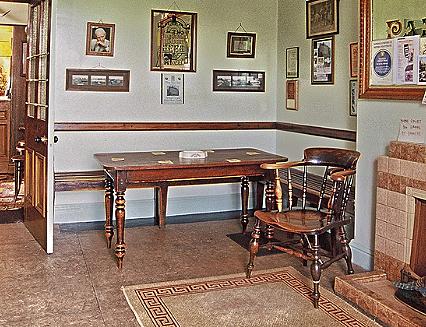
Star Inn, Netherton, Northumberland
The wonderful time-warp pub, the Star (above), has been closed since 2023 and is now up for sale with an asking price of £385,000. The sale particulars stipulate that it must be sold as a public house and state that “as a designated heritage asset, the building’s significance derives not only from its architectural and historic fabric but also its long-standing function as a public house serving the local community”.
Dave Gamston, who has been at the forefront of the Pub Heritage Group’s efforts to ensure the pub’s survival said: “Comforting though this stipulation sounds, should no buyer come forward, a lot will depend on how resolutely Northumberland County Council as planning authority will refuse any potential change-of-use application. Refusal would be consistent with its published policy on safeguarding community facilities, the Star being Netherton’s only pub, with the next nearest five miles away. The Pub Heritage Group is making renewed contact with the planners to seek more clarification if possible, and also to engage with relevant elected representatives.” Read more about the sale on LandSale.
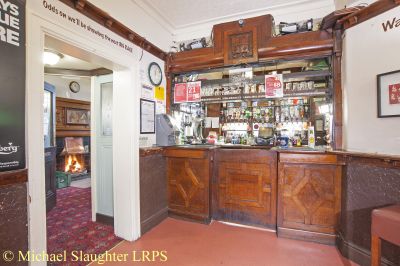
Shakespeare, Farnworth, Greater Manchester (above)
Built in 1926 and Grade II listed, the Shakespeare is one of the finest surviving examples of an interwar suburban pub in the UK, with an intact floorplan and high-quality fittings throughout. The pub has been closed since April 2022.
The partly retrospective planning application to turn the Shakespeare into a house in multiple occupation (HMO) has been refused by Bolton Council. Work converting the first floor had already started and a car sales business has been in operation on the site, both without the necessary planning permission (see February bulletin). The planning officer’s report highlighted the many shortcomings of the application including a lack of viability and marketing report, plus an inadequate heritage statement. The over-development was considered harmful to both the fabric and setting of the listed building and it was good to see that the pub’s national-inventory status was referenced in the report.
The Pub Heritage Group anticipates the owner will submit an amended application and, with no sign of anyone wanting to reopen the Shakespeare as a pub, the outlook remains bleak.
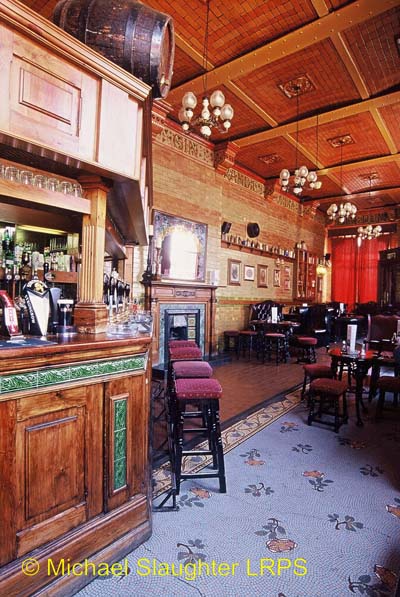
Marble Arch, Manchester, Greater Manchester (above)
The Pub Heritage Group reported in November 2025 on the outrageous proposal by developer McGoff Group for a tower block abutting the Marble Arch. McGoff has now put forward an alternative proposal, which doesn’t offer much improvement. The proposed development would still be 17 storeys high, dwarfing the Marble Arch, but has now been moved a few metres away from the pub, allowing an area of landscaping in between. The owner of the pub remains opposed to the development, stating it will significantly harm the setting of the listed building. The Pub Heritage Group has objected to the revised proposal as part of the consultation process, but it seems likely that a planning application for the scheme will be submitted in due course. Read more about the proposed development on Manchester Evening News.
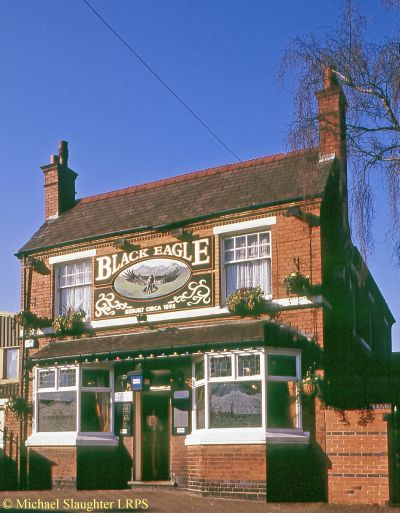
Black Eagle, Birmingham, West Midlands (above)
Built in 1895 and with a surviving multi-room, Victorian interior, the Black Eagle is reportedly closing at the end of the current football season. The owner has already built two homes in the garden and the Pub Heritage Group understands it now intends to turn the pub into housing. CAMRA’s chief planning and policy advisor Paul Ainsworth has submitted a listed building application to Historic England.
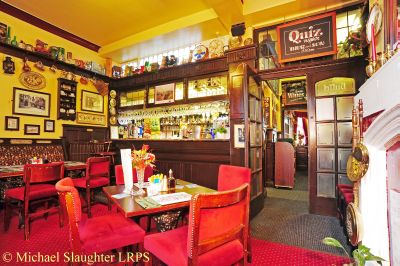
Wheatsheaf, St Helens, Merseyside (above)
The Wheatsheaf has been upgraded from Two to Three Star status. The Wheatsheaf is a remarkably intact example of a 1930s roadhouse in Brewers Tudor style and was built in 1938 by the Warrington brewers Greenall Whitley. The pub retains its multi-room layout of six separate bars with original counters, timber panelling, doors with etched-glass panels, fixed seating and a bowling green to the rear.
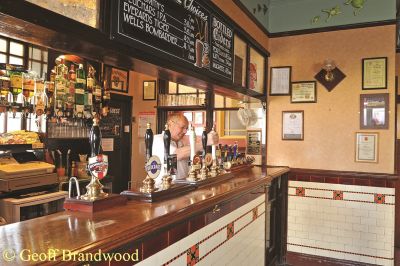
Golden Ball, York, North Yorkshire (above)
The Golden Ball Co-operative has completed the purchase of the freehold of the pub from Stonegate, which put it up for sale in September. Although the co-operative, which has successfully run the pub since 2012, had recently agreed a lease until 2043, the ownership of the freehold provides long-term stability for this popular community pub. The Golden Ball is included on the national inventory for its well-preserved interior, which is a very rare 1929 refit by John Smiths brewery.
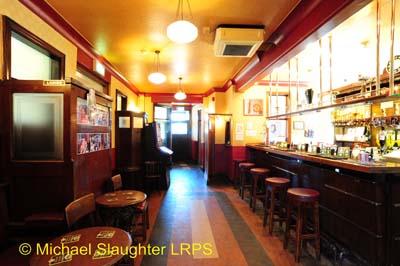
Grapes Inn, Heywood, Greater Manchester (above)
The Grapes Inn, which is owned by Samuel Smith, closed last year. The Pub Heritage Group has no information as to the reason of the closure and would welcome more news. Built in 1926 as an estate pub, the Grapes Inn retains its multi-room floorplan and most of the original fittings.
Two Star heritage pubs
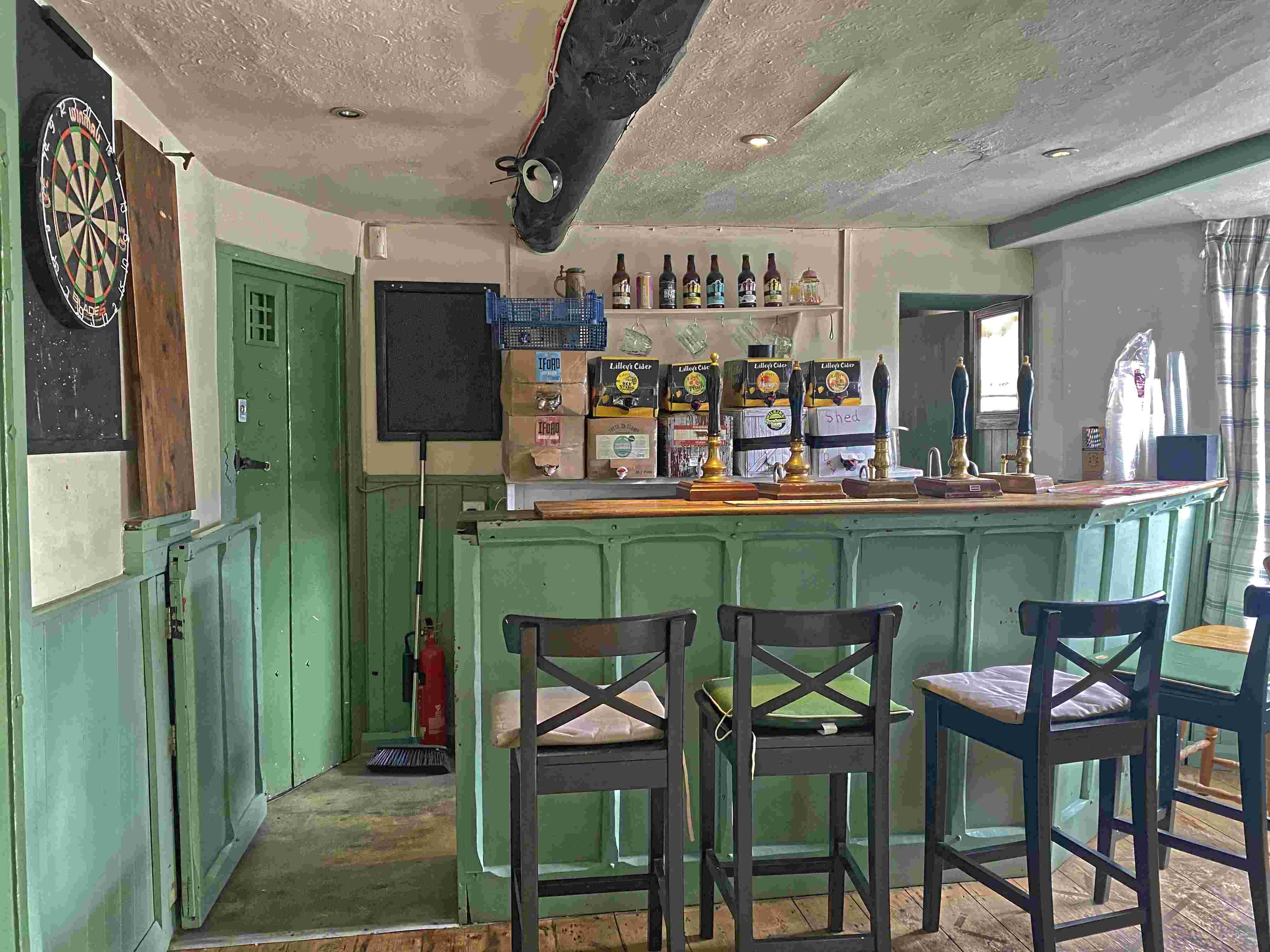
Three Crowns, Chippenham, Wiltshire (above)
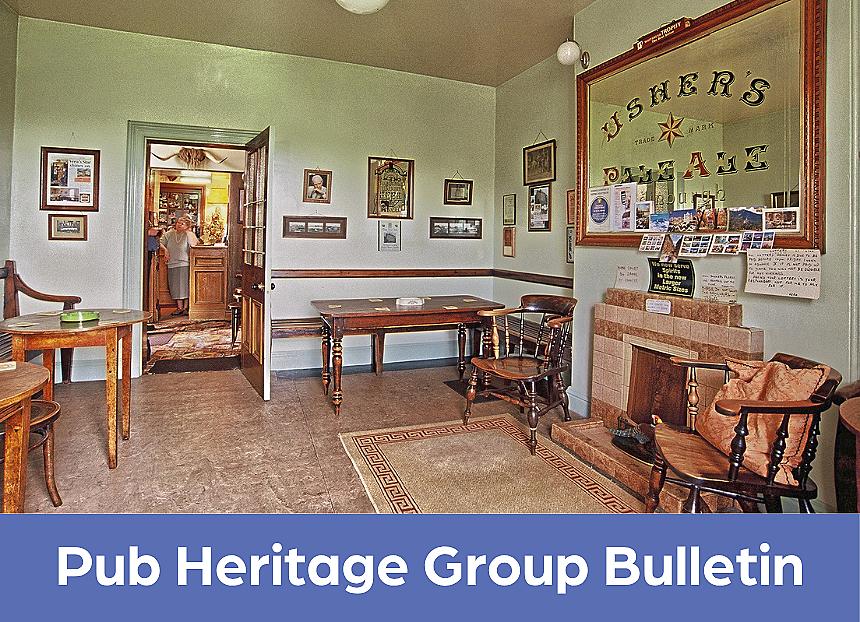
The popular community pub, now owned by Broadtown brewery of Calne, has been added to the national inventory at Two Star status. The pub was refitted by Ushers of Trowbridge in 1922, and a plan of the work is on display in the pub. The current two-bar layout dates from this period with the main front room having altered little since then with the original counter, bar back, bench seating and panelling all surviving.
One Star heritage pubs
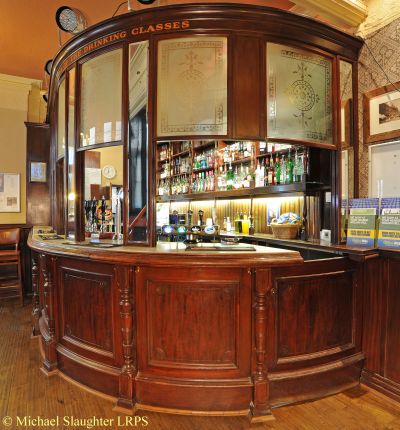
Albert Hotel, Huddersfield, West Yorkshire (above)
The Albert Hotel was built in 1879 and designed by Edward Hughes, a leading contributor to central Huddersfield’s Victorian architecture. The pub has impressive mahogany and marble bar counters, but the interior otherwise is a mixture of reused old fittings and imported new work. Following reassessment by the Pub Heritage Group, it has been downgraded from Two to One Star status.
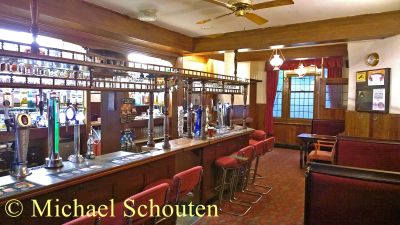
Prince of Wales, Newhaven, East Sussex (above)
The Prince of Wales is a traditional pub which was refitted in 1930 by United brewery of Portsmouth which added the magnificent, green-tiled exterior. The two-room layout contains fittings from the period with some 1960s additions. The owner, who has run it for 25 years, is looking to retire. The pub is for sale through Sidney Phillips at £380,000.
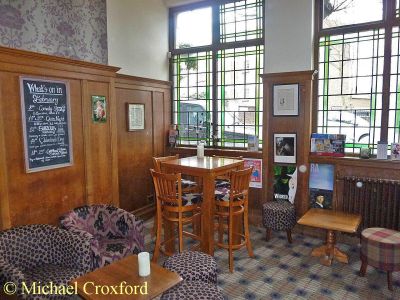
Magdala, Hampstead, Greater London North West (above)
Built in the 1860s, the Magdala is on the national inventory primarily for its 1930s refit of which the right-hand public bar remains remarkably intact. The owner of the Magdala is Ori Kalif (who previously owned the Carlton Tavern at the time of its unlawful demolition in 2015). In 2024 the Magdala’s first-floor function room was converted to residential without planning permission and now a retrospective planning application has been lodged with Camden Council to cover this work. Campaigners including North London CAMRA have objected to this loss of a much-needed community facility. Read more about the campaign on Ham and High.
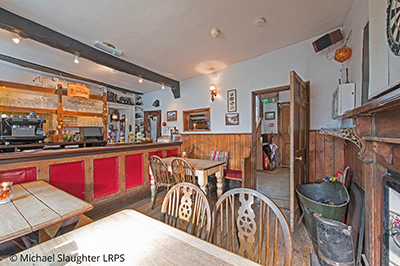
Golden Lion, Port Isaac, Cornwall (above)
Following the pub’s closure reported in the March bulletin, the Golden Lion has reopened. Owner St Austell has appointed temporary managers with the aim of finding a new long-term tenant.
West End Bar, Portadown, Northern Ireland
The West End Bar has been removed from the national inventory following the auction of its surviving 19th-century fittings. This includes the bar counter, the remaining snug and the magnificent bar back with six spirit casks plus a rare surviving advertising mirror by William W Cleland dating back to 1872. The auction was held 18-19 March. View pictures of the items on Northern Ireland World. The pub has been for sale for a number of years and is now closed.
BEER
The spring issue of BEER includes an article by Neil Pettigrew, editor of the new edition of London’s Real Heritage Pubs, highlighting some of the capital’s most famous sites.
Ale Cry
Central Lancashire CAMRA chair Adrian Smitth, has written some excellent articles on heritage pubs for the branch magazine Ale Cry. The latest edition continues his exploration of Manchester pubs including the Marble Arch, Unicorn and Castle Hotel. These articles have been a regular feature in the magazine since issue 137 (summer 2024) and can be downloaded here.
Local Inventory – Brighton and South Down
The Pub Heritage Group is encouraging branches to compile local inventories of historic pubs in their area. A good example has been published by Brighton and South Downs CAMRA.
If you have any news on heritage pubs, send to: info@pubheritage.camra.org.uk
Feel free to forward this bulletin to your friends who are also interested in visiting pubs like these. If you wish to receive the bulletins directly, sign up by sending an email to bulletin@pubheritage.camra.org.uk with the word “subscribe” as the subject or “unsubscribe” if you wish to stop receiving bulletins.
Photos by Geoff Brandwood, Micheal Croxford, Michael Schouten and Michael Slaughter