



A coalition of hospitality leaders has launched a campaign to reduce the VAT threshold for their sector from 20 per cent to 10. The VAT’s the Problem initiative, spearheaded by Michelin-starred chef and television personality Tom Kerridge, is petitioning the government for what it considers to be a fairer rate in line with European neighbours, including France, Spain, and Germany. To date, more than 269,000 individuals have signed the petition.
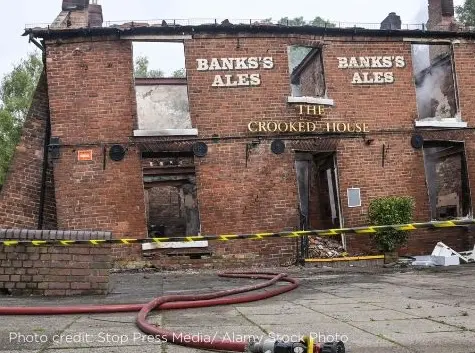
The hospitality industry, which includes pubs, clubs, restaurants, hotels and various other operators is presently facing dire trading conditions. Initially brought on by the Covid-19 pandemic and then exacerbated by a cost-of-living crisis and various international conflicts, including those in Ukraine and Iran, the ability to trade fairly and profitably has been severely and repeatedly hindered. It has also arguably never come under greater scrutiny, with reports suggesting two pubs a day have closed in 2026, resulting in the loss of around 2,400 jobs.
According to industry body UK Hospitality – which also backs VAT’s the Problem – hospitality is the third-largest employer in the UK employing roughly 3.5m people and contributes around £96bn to the economy. In light of this, and its already sizeable tax contribution, easing the obvious pressures on the hospitality sector, allowing it to trade profitably would surely make basic economic sense. Allowing it to languish through inaction would only hinder the sector and reduce the amount it contributes to the treasury.
And yet, is targeting VAT specifically the right move? Could it be that a quick fix – a sticking plaster on a rapidly rupturing dam – would only allow for temporary resolve? And who would be the biggest beneficiaries from such legislation?
Presently, most businesses in the UK pay their VAT bill quarterly. Reducing this bill by half would undoubtedly ease a great deal of pressure on operators of all sizes. However, not all VAT bills are created equal. The amount paid by a single independent or small chain would be a vastly different sum to the country’s largest multi-site operators. The likes of Stonegate, Star Pubs and Bars, and JD Wetherspoon would see their bill reduced by several million pounds. An independent might only save a few thousand.
While there’s no doubt such relief would be welcomed in the short term, I worry about the potential unforeseen longer-term consequences. Independent, beer-focused businesses are already battling immense economies of scale, in particular from larger off-sales retailers such as supermarkets. This summer one national grocery chain was selling multipacks of popular lager Corona for the equivalent of just 57p a bottle. Even with a VAT reduction there’s not a snowflake’s chance in hell of an on-premise retailer competing with that.
For me, there are questions over what larger on-premise retailers would use the VAT saving for. Would it be simply used to boost profitability? Increase staff wages? Or would it be used to massage already slim margins on heavily discounted products, or plump up shareholder dividends? The longer-lasting consequences could mean trading conditions become less competitive for smaller independents, regardless of any short-term savings made.
I consider that a simple VAT reduction is not the one-size-fits all solution those campaigning for it claim it to be. In order for hospitality to truly trade in a way that is meaningful and healthy, much broader considerations need to be made. These include a full review of business and energy rates, greater scrutiny of supply chains to ensure end-to-end viability for all businesses within a chain, and deeper investigation into anti-competitive practices that prevent smaller independents from getting a stronger foothold into the market.
While this might sound like a pipe dream, it might not be quite as unrealistic as it sounds. In Greater Manchester, under the stewardship of Mayor Andy Burnham, the city’s night-time economy has proved to be remarkably resilient, despite the current trading conditions. Should Burnham enter 10 Downing Street later this month, there’s a good chance his awareness and sympathy towards the hospitality industry could pay dividends in terms of positive reforms beyond simply halving the VAT rate.
Some of Burnham’s confidants, including former Manchester night-time economy advisor Sacha Lord also have the potential future PM’s ear, which could be of further benefit to the hospitality sector. There’s a good chance that, should the MP for Makerfield become prime minister, it will be a net positive for the UK’s food and drink operators.
It remains to be seen, however, if focusing on VAT is the correct approach. While there is no doubt it would prolong the existence of many businesses currently fighting for their future in the short term, I feel that much greater consideration needs to be taken by smaller independents before they decide to throw their own weight behind the campaign.