


-popup_image.jpg)



The global brewers have set out their priorities – to promote their lager brands at the expense of cask beer.
As reported in What’s Brewing, Molson Coors (MC) is axing Sharp’s brewery at Rock in Cornwall where it produces Doom Bar, the country’s biggest-selling cask beer, while it’s busily reviving Carling Black Label.
Sharp’s was launched in 1994 by Bill Sharp who quickly built a following for Doom Bar and other quality beers. Molson Coors bought the business in 2011 and spent £20m expanding the site and turning Doom Bar into a national brand.
It tinkered with the recipe, much to the distress of its followers. I was told by a former brewer at Rock that the number of hops was reduced and instead of conditioning for a week, the beer was sent out to pubs as soon as it left the fermenters.
Drinkers were being served immature “green beer”, as the taste proved.
It will now need a new home, presumably the main breweries in Burton on Trent that MC took on when Bass left brewing in 2000. The bottled version of Doom Bar has been brewed in Burton for several years, making a mockery of its claim to be a “Cornish beer”.
Molson Coors' assault on cask beer follows in the footsteps of other lager giants. Heineken shuttered the historic Caledonian brewery in Edinburgh where it brewed Deuchars IPA, a former Champion Beer of Britain.
In common with Molson Coors, Heineken switched to cheaper malts and hops and coarsened the flavour of Deuchars.
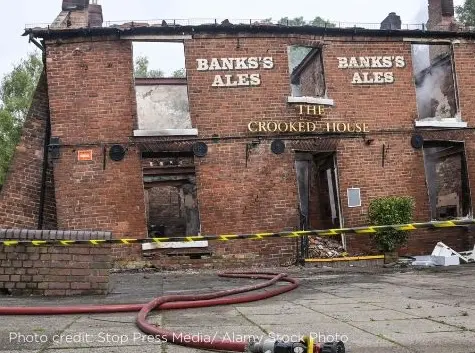
Carlsberg went on a wild rampage. When it formed the Carlsberg Marston’s Brewing Company in 2020, it axed in short order Jennings, Banks’s, Ringwood and Wychwood breweries on the specious grounds that demand for cask beer was in decline.
This flew in the face of reports from the likes of Timothy Taylor, Theakston and Thornbridge that sales of their cask beers were reviving strongly following Covid and pub lockdowns.
To underscore the optimism of the regional brewers, Jennings, as reported here, has been saved by a husband-and-wife team in Cumbria. They added a taproom and are now planning to expand the site with accommodation and a museum.
Cask beer is resilient. It has survived many upheavals in its time, in particular the development of national brewers in the 1950s and 60s who switched to more profitable keg beer and then Britain’s laughable imitation of lager.
As Jennings proves, if you have a passion and commitment for cask, it will meet with success and will attract a new, young audience.
The history, the heritage and the popularity of cask is lost on Carlsberg, Heineken and Molson Coors. Their aim is a simple one: to make the same liquid in every market where they operate and to give it a long shelf life, aided by filtration, pasteurisation and a heavy dose of carbon dioxide.
If you tell their accountants cask beer has a shelf life of just two or three days, their eyes will bulge, they will scream: “You can’t be serious!” and they will concentrate their efforts on lager.
Molson Coors' track record in Burton is abysmal. It has closed the popular National Brewery Centre, evicted the Heritage brewery that recreated old Bass beers and stopped production of the iconic Victorian IPA Worthington’s White Shield.
After announcing the closure of Sharp’s and telling 50 people they will lose their jobs in an area of high unemployment, MC will now busily promote the relaunch of Carling Black Label.
The beer arrived here in the 1960s, owned by a Canadian businessman called Eddie Taylor. In Canada it was labelled Carling Black Label Rice Beer, and Taylor wisely dropped rice from the title when he arrived on these shores. In a whirlwind of activity in 1960, he bought 12 breweries in his bid to make the Brits drink his lager. By the end of the decade the group had expanded to become Bass Charrington and Taylor retired, leaving Carling in the hands of Bass, Britain’s biggest brewer.
In 1997 Bass dropped Black Label and replaced it with a lower-strength Carling Original. Now Black Label is back at 4.7 per cent. The revival is no doubt prompted by the fact that sales of Carling, once the biggest-selling British beer, have been overtaken by Guinness.
It’s all turmoil at the top of the brewing industry. Fortunately the Heritage brewery has found a new home with the Burton Bridge brewery and fine beers from both breweries continue to be made.
The last word goes to the late Prince Philip, Duke of Edinburgh, who was known to enjoy a good beer. He was on a visit to Bass in Burton and asked a flunkey: “What do you brew here?”
“Mainly Carling lager,” came the reply. “How much do you make of that?” the duke enquired. “About two million barrels a year,” he was told.
“That’s an awful lot of horse piss,” the duke grunted. To disagree with that would be an extreme example of lèse majesté and there’s no beer, not even Carling, in the Tower of London.