






The regular series returns to What’s Brewing with the Campaigns and Communications team’s latest campaigning for pubs, pints and people across Westminster, devolved parliaments and local government.
CAMRA is preparing for Members’ Weekend in St Albans next year. To help shape the future of the Campaign, members can submit a motion here.
November’s UK Budget dropped a disgraceful business rates bombshell that will see pubs in England paying much higher rates than they do now. Email your MP to get the government to rethink here.
Ahead of the Scottish and Welsh Budgets in January, CAMRA is lobbying the Scottish and Welsh governments for continued support with business rates bills for pubs. Ask your MSPs to support brewers and pubs here, or if in Wales ask your MSs for support here.
Westminster
Access to Market review
CAMRA convinced the chancellor to implement an Access to Market review for independent brewers at the Budget 2024.
The Business for Trade recently completed the review, but minister Kate Dearden is still deciding on responses to its recommendations and a publication date.
UK government’s Budget 2025
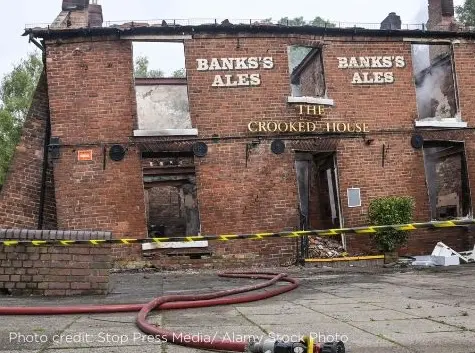
Instead of offering a package of support on energy bills, VAT, Employer National Insurance and business rates, the chancellor announced a “lower tax rate” business rates system for hospitality in England which sounded like a positive step, but pubs will end up paying more.
The Treasury stated that all retail, leisure and hospitality businesses will pay a lower tax rate than they do now.
The lower level will be 5p less than the standard rate, which will be paid for by a higher tax on the most valuable properties – those with rateable values of £500,000.
But with the 40 per cent rates discount ending at the same time, bills across England will skyrocket from April 2026. Some transitional reliefs will be available for businesses to limit rises.
The team is issuing press statements, working with industry bodies and MPs, and has written an open letter to the chancellor to get the government to rethink these hikes.
The team also launched an e-lobby so people living in England can get involved. Email your MP here.
Alcohol duties across the board will rise with the rate of inflation from 1 February 2026.
While draught duty will remain lower than the general rate, the rise includes tax paid on pints of beer and cider in pubs.
The government announced a red tape review of the licensing system to better support pubs across England and Wales in October.
After holding a consultation, the government wants licensing authorities in England and Wales to consider the need to promote growth and deliver economic benefits when making decisions and publishing a National Licensing Policy Framework.
Finally, the Budget said the government will “explore further planning reforms to make it easier for hospitality and high street businesses to expand and grow”.
CAMRA will campaign to make sure this does not weaken existing pub planning protections.
Read our full response to the Budget here.
Extended Producer Responsibility
The Extended Producer Responsibility scheme was implemented 1 April.
CAMRA supports the potential environmental principles of the Extended Producer Responsibility scheme, but pubs and the wider hospitality sector are now paying double payments on their waste collection, especially for products sold in glass.
Businesses already pay private-contracted waste collections to be recycled, and the scheme’s fees are higher than profit margins of pubs and hospitality, meaning costs could be passed on to consumers.
A parliamentary debate on the scheme took place on 27 November, with a focus on its damaging impact on the sector.
Planning
A recent policy announced by the government could see planning developments near railway stations.
The Campaigns and Communication team is contacting Matthew Pennycook MP, minister of Housing, Communities and Local government to make sure pub protection policies are maintained for those near railway stations.
Pubs Code adjudicator [England and Wales]
The adjudicator is responsible for enforcing the Pubs Code for England and Wales and making sure all tied tenants get fair treatment from all pub-owning companies.
The adjudicator has now published their 2025-2027 Strategy, which, as part of the strategy process, CAMRA made a brief submission to earlier in the year.
Scottish government and parliament
Scottish Pubs Code adjudicator
The Scottish Pubs Code adjudicator published their annual Delivery Plan 2025-26 and a Corporate Plan 2025-2028.
Both plans set out the vision and objectives for the Scottish Pubs Code and its adjudicator, which came into force 31 March.
The guest beer right and market-rent-only provisions followed as part of the code, which CAMRA long campaigned for.
This means Scottish pubs now get to choose at least one guest beer to serve on the bar, as well as having the ability to request a free-of-tie lease without being obliged to purchase beer from their pub owning company.
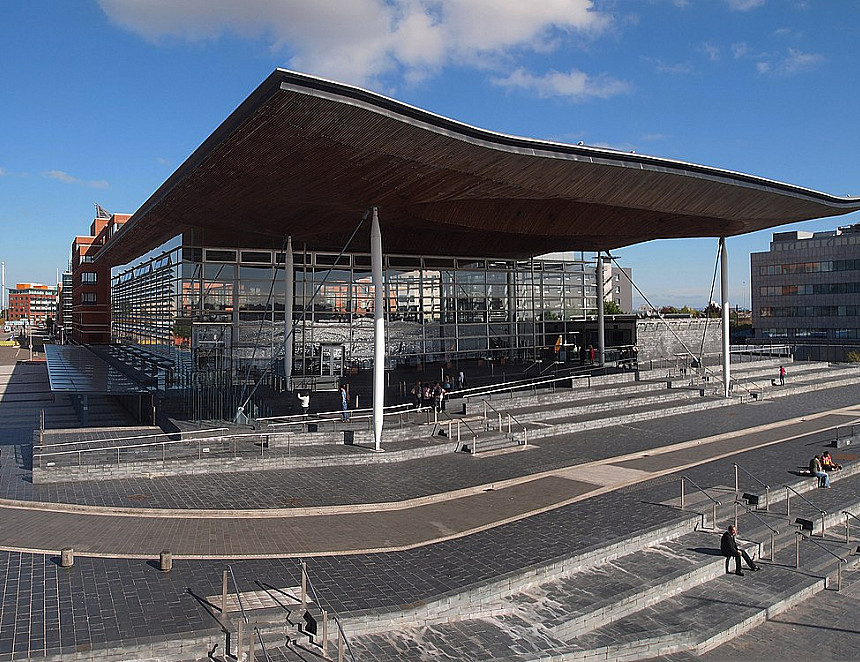
Welsh government and senedd Cymru
Business rates reform
The Welsh government’s Budget is in January.
The draft Budget 2026/27 was recently published, and the government has confirmed pub businesses’ 40 per cent business rates relief will end.
Despite CAMRA’s campaigning for the new lower multiplier business rates system for small shops in Wales to be extended to pubs, MS Finance secretary Mark Drakeford confirmed hospitality will not benefit from a lower rates system.
The team set up an e-lobby for people living in Wales to contact their MSs asking the government to think again.
If you live in Wales, please take a minute to use our template email tool here.
Deposit Return Scheme
Last year the Welsh government announced it would introduce a Deposit Return Scheme at a differing pace to Scotland, England and Northern Ireland.
The scheme in Wales will include glass containers and possibly reusable and refillable container requirements along with deposits on single-use containers.
The team has responded to the consultation on its scheme, arguing that its rules and regulations would disadvantage independent producers, which would lead to less choice for consumers if these businesses stopped selling into the Welsh market.
As a result, the team made the case that rules and regulations of the scheme implemented in Wales should remain the same as the UK's other nations.
Northern Ireland executive and assembly
Licensing Review
The University of Stirling carried out an independent review of Northern Ireland’s alcohol licensing system earlier this year.
In November, MLAs attended Belfast Beer Festival to discuss CAMRA’s licensing reform campaign and spoke with brewers and festivalgoers about the challenges that come with these restrictive laws.
NI’s outdated 'surrender principle' forces businesses to surrender a licence before a pub, micropub or taproom can open – stifling access to market along with consumer choice.
The NI minister for Communities published his response to the report and its recommendations and made a statement to the NI assembly, rejecting all substantive recommendations – including reforms of the 'surrender principle'.
The team issued a furious response and set up an e-lobby so members can contact their MLAs, asking for their help to modernise these laws so pubs and breweries can thrive in providing more choice to NI consumers.
MLAs from the Alliance Party, DUP, SDLP and Sinn Féin asked supportive questions when the topic was debated in the assembly, with many pushing for a rethink to deliver reforms to improve consumer choice, support micropubs and improve access to market for independent producers.
The team is working with NI members, SIBA and Free the Night to keep up the pressure on MLAs and political parties to rethink, and to try and secure manifesto commitments for fundamental reform of the licensing system at the next NI assembly elections.
If you live in NI, please use CAMRA’s template e-lobby tool here.
A taproom licence review will happen in the new year, which is an opportunity to secure changes so it is easier and more sustainable for independent producers to sell their products and open full-time taprooms.