

A customer walks into a Star Pub and asks for a local beer.
It sounds like a feed line of a joke – and maybe this is a very dark one – but I witnessed this exact scenario a few days ago. Before I give you the landlord’s answer I want to potentially ruin this “gag” by giving you some context.
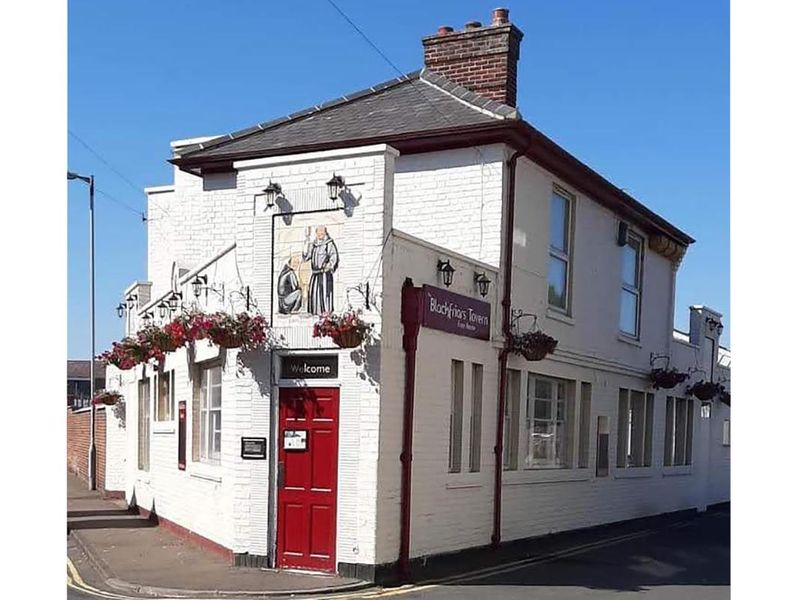
This South-East London pub for the uninitiated who visit (99 per cent of drinkers) is a locals’ boozer run by someone who prides himself on providing great customer service but is part of multinational Heineken’s 2,400-odd pub portfolio. When I come with my family he remembers the kids’ names, knows what their favourite drinks are and provides our dog with a water bowl before any of us are seated. It’s a nice place to eat as a family.
He’s fostered an environment that is inclusive and the people who drink there are the type who prize localism where possible. The publican works hard but admitted to me that he feels the only way to make the pub work is to concentrate on the quality of the food and service he offers. “It’s not a drinkers’ pub.” (There’s usually one pump of cask, something like Timothy Taylor Golden Mild or Adnams Ghost Ship IPA)
This last point could be moot as nearby there is a Grade II-listed, 1930s community-owned pub that is busy and is cask-forward serving a great mix of local and indie brews – think Burning Sky Plateau and Ilkley’s Joshua Jane.
It’s his business and it is tough running a pub in a residential area which may explain why he has written off the drinks knowing the affluent among his customers can afford to pay for big meals.
And here’s his answer, which I felt was so well considered that it seemed to have passed through a legal department: “My most local beer is Brixton lager.”
The customer smiled and ordered it. More than five years ago, Heineken took full ownership of Brixton brewery and it now brews those beers alongside Beavertown in Enfield, which are sold in its many pubs and other pubs which make use of its distribution portfolio. It’s why this pub boasted a predictable slate of macro lagers and only one pump offering cask.
However, Brixton is the important one among the pumpclips. It is the one mis-sold as craft. The one mis-sold as local. The one mis-sold as indie.
Heineken is currently in talks with Stonegate to buy 300 pubs to add to the ones acquired from Scottish & Newcastle in 2008, Globe the following year, Galaxy in 2011 and Punch in 2017.
These are huge numbers and, with Greene King potentially selling pubs, Heineken could become the second biggest pub firm behind Stonegate, another company which only really serves a slew of multinational or macro brands.
It’s funny, though, as if you ask most people which is the biggest pub operator, they say “’Spoons”.
So it feels like we’ve sleepwalked into a situation where even the best publicans are holding their noses to sell “local” beers that are diminished compared to when they were independently owned.
Worst still, I don’t think any of these large pub companies are actually that but property firms buying and selling “land” and “assets” ≠ they hold no conception of custodianship. It’s just a way of them finding a way of selling their kegs until a developer makes them an offer they can’t refuse.
So if you're looking for the enemy within, it’s not the drinker, not the landlord but the multinational which acquires businesses without much care for our heritage.
But this doesn’t mean we shouldn’t visit our local. It means we should find local products where possible and cherish them when we do. Because the multinationals only care about margins, not heritage – which is ironic because none of these pubs make huge profits for them if food is king.