





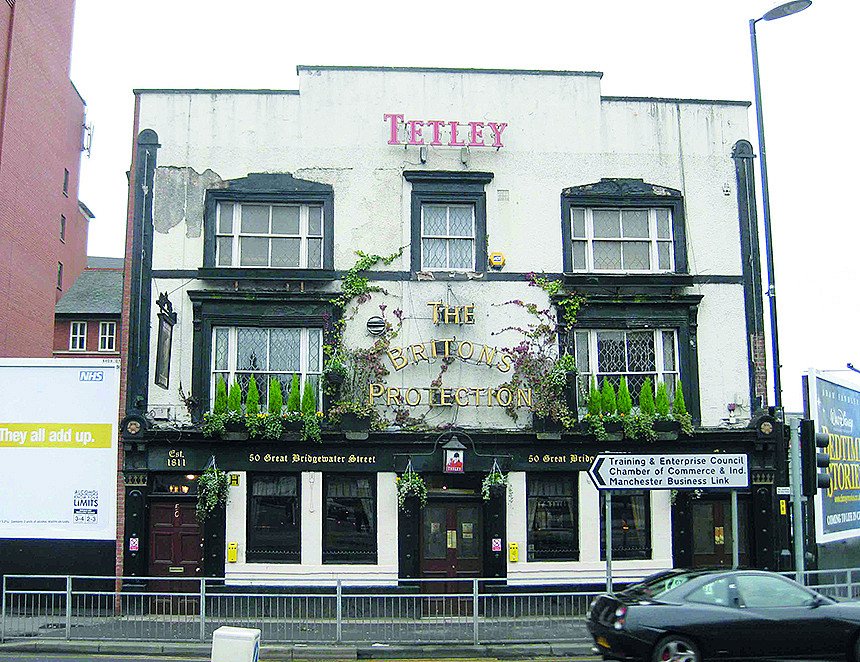
Recent years have seen a significant growth in the number of pubs being run under some kind of franchising arrangement. Various names are used – retail agreements, manchises (management franchises) or just franchises – but the models are all very similar.
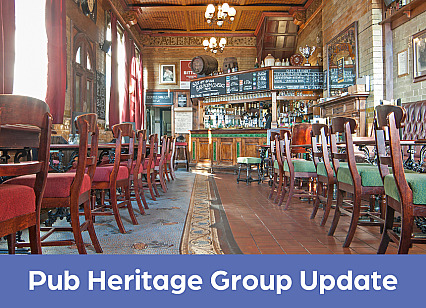
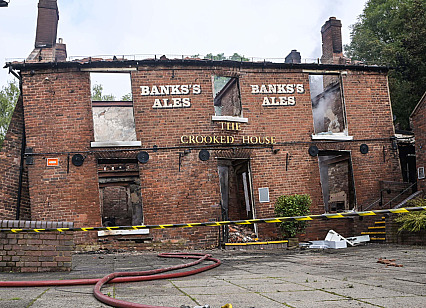
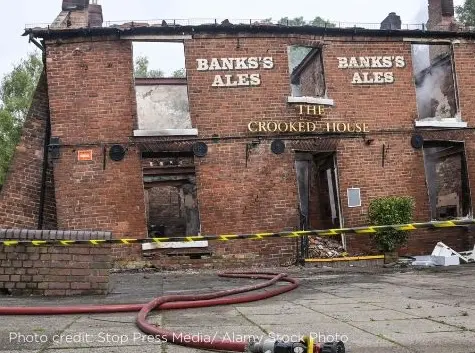
Franchises were pioneered by Marston’s, but the bigger companies have now all adopted it, each with its own brand name e.g. Stonegate has Craft Union, Star Pubs and Bars, which owns the Britons Protection, Manchester (above) has Just Add Talent and Greene King has two: Hive and Nest. Increasingly, smaller pub-owning breweries are also using this approach. Unlike in conventional managed pubs, the licensee is supposedly self-employed. In most cases, their remuneration comes from a percentage (usually 18-20 per cent) of the pub’s net turnover. From this the licensee pays themself and all staff plus incidentals like employer’s liability insurance and council tax.
So, what freedom do licensees have to run their own business? In truth, not a lot. The pub company sets the opening hours and the prices, decides what products will be sold, prescribes the menu for any food offer and provides all the equipment. Licensees can also be chucked out at short notice (immediately in the case of Just Add Talent). If there’s a stock deficit then they are charged for it and these can be mysteriously large. The advantages for the licensee are the low ingoing costs (Hive requires £5,000, Nest £3,000), they get a roof over their head and have a prospect of making money. To do the last, though, they’d probably need to be taking more than £10,000 a week. Urban, sports-oriented pubs seem to do best under this sort of regime but there are many disgruntled ex-licensees who found the arrangement a quick way to lose their money.
Greene King’s Hive scheme offers a somewhat different arrangement in that the franchisee is guaranteed a fee income of £20,000, topped up (if earned) with performance-related bonuses. Staff costs still need to be paid though. Hive pubs have a food offer with live sports and events. Nest pubs are wet led, predominantly in busy high streets, with a pizza and pie food offer, live sports and events.
The current number of these agreements is unknown, but they have certainly been growing rapidly. Many tenants have been effectively thrown out of their pubs so the owner can convert the pub to what, for the companies, are more lucrative arrangements.
You can see why the companies prefer this model. It frees them from the responsibility of employing staff while retaining full control over what the pub does. Additionally, most of the key Pubs Code requirements don’t apply to franchised pubs. Back in 2021, a cloud seemed to appear on the franchise horizon when the Supreme Court ruled Uber drivers were not self-employed. The parallels with retail agreement licensees are striking and Her Majesty’s Revenues and Customs are known to have taken an interest. Given the amount of control that the companies exert, can they really argue that these licensees are self-employed? However, nothing has yet come of this and franchising continues to grow.
You may have read recently that Wetherspoons has entered the franchising arena. This, though, is a quite different model. It is looking to partner with the likes of holiday parks, universities and hotels. As franchisees the partner has access not just to the brand name but also the company’s supply chain and its training and marketing resources. The financial arrangements aren’t clear but presumably the franchisee pays a set fee plus there may be some kind of profit-sharing arrangement.
Paul Ainsworth is CAMRA's national planning and policy advisor