








What staggers me about the furore over the punitive business rates imposed on pubs is the sheer stupidity and ignorance of top politicians and civil servants.
Surely advisors at the Treasury should have said to Rachel Reeves: “Chancellor, beer retailing is a major industry, contributing vast amounts of money to our coffers. Pubs need to flourish.”
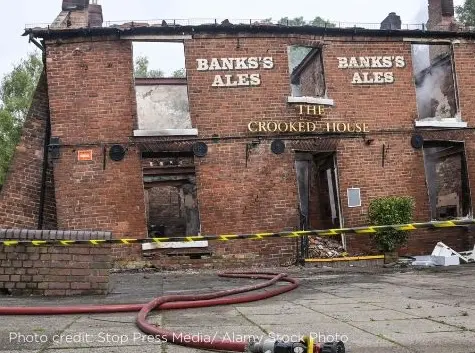
In short, one closed pub means a considerable loss of income to the government. And yet pubs have been allowed to go out of business at an alarming rate of six to eight a week.
Let’s look at the hard figures. Pubs contribute £34.4bn through GVA – that’s Gross Value Added, a measure of the value of goods and services contributed by a sector of the economy.
On top of that pubs pay an estimated £17.4bn in taxes annually. The sector accounts for 3.4m jobs – which means more input in the shape of income tax.
Any government that allows an industry producing such eye-watering sums to diminish needs to adjust its thinking.
The changes announced in a screeching U-turn last month will bring some relief to publicans, in England, struggling under the burden of rates and taxes. But the 15 per cent discount on business rates is derisory and less than the 20 per cent called for by pub owners and campaigners.
And pubs still face the burden of high costs of energy needed to heat their premises and run cellars and kitchens.
They have also had to pay an increase in the minimum wage to their staff. No one can object to pub workers being paid a decent wage but the increase came at the same time as National Insurance was increased, creating yet another burden on publicans.
If the Treasury believes the January changes will keep the pub sector quiet it will be sorely disappointed. There are still a number of acute problems facing the sector that need to be addressed.
First and foremost is VAT. This is nothing short of a scandal. Pubs pay the full 20 per cent rate of VAT on sales of food and drink. Supermarkets can claim back VAT on food and drink, an anomaly that Sir Tim Martin of JD Wetherspoon has been railing against for years.
Governments of all stripes have looked at this situation and done nothing. But how in the name of fair competition and a level playing field can it be allowed to continue?
The result is all too familiar. As I enter my local Morrisons I am confronted by piles of boxes of lager and beer, each containing 12 cans. A box costs £12 – that’s £1 a can, as cheap as bottled water.
In sharp contrast, a pint of beer in a pub will set me back between £5 and £6. It’s not surprising that people on low incomes have turned their backs on pubs and opted to buy cheaper beer to drink at home.
Pubs and breweries need a major overhaul of excise duty – the tax on making beer. It’s true the last government brought in a lower rate of duty on draught beer that was of help to pubs. But more – far more – is needed. There’s a massive gap between excise duty in this country and the rates paid by our European neighbours. When you buy a pint in a British pub more than 30 per cent of the price goes in tax to the government.
In Germany, another great beer-drinking country, tax on beer is equivalent to two pence.
If you catch the Eurostar to Brussels and go into bars there you will notice that while Belgian brews are strong they’re also much cheaper than the beer here.
When this country was a member of the European Union, only Finland paid higher rates of duty. The level of duty here is a tax on pleasure and is a further nail in the coffin of pubs.
The argument that cheaper pub beer would means less income for the government doesn’t hold water. On the contrary, it would encourage people to go back to their locals, enjoy fresh draught beer and allow supermarkets to go hang.
The government’s concessions for pubs last month leave the glass half empty. There’s still much to be done to stop our beloved locals from closing.
In short, carry on campaigning.