





Start typing to find a beer.
-
About
 Find a place to visitWith 200+ CAMRA branch locations to enjoy beer, pubs or meet new people.
 -
Membership
 CAMRA Member BenefitsAccess incredible value through our member benefits
 CAMRA Discount SchemeThe Real Ale Discount Scheme offers CAMRA members discounts at over 3,600 of pubs across the UK
 CAMRA Voucher SchemeThe Real Ale Cider & Perry Vouchers are redeemable at over 1,200 of pubs across the UK.
 -
Pubs & Clubs
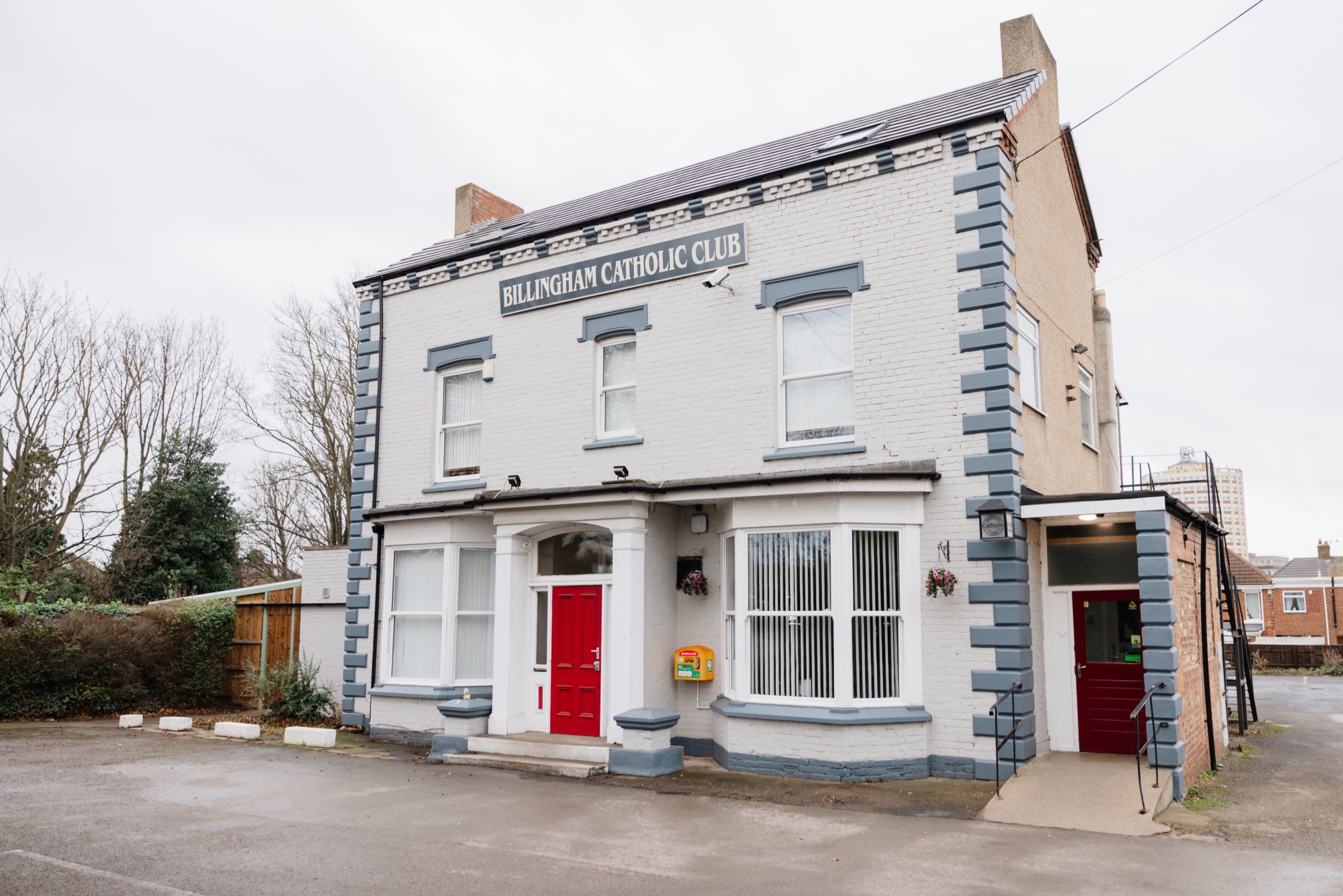 Billingham Catholic Club, Billingham
37 Wolviston Road, Billingham, TS23 2RU
-
Events & FestivalsFeatured Events Featured Events
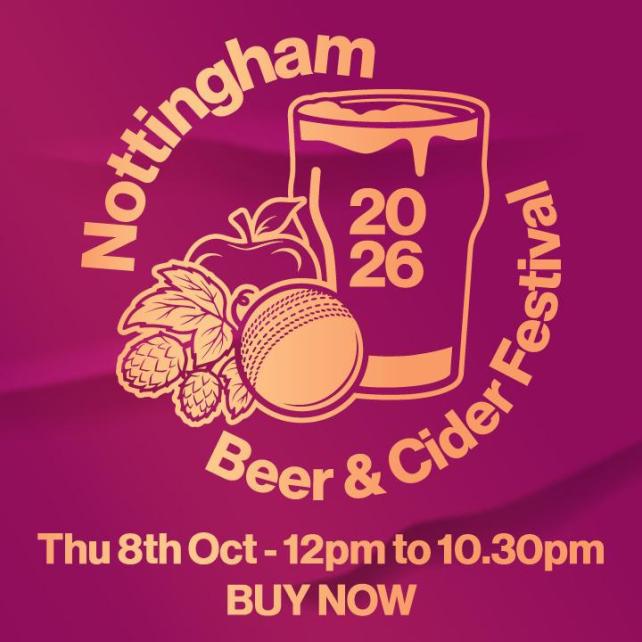 Nottingham Robin Hood Beer & Cider Festival
Trent Bridge Cricket Ground, Bridgford Road., West Bridgford, Nottingham, NG2 6AG
7-10 October 2026
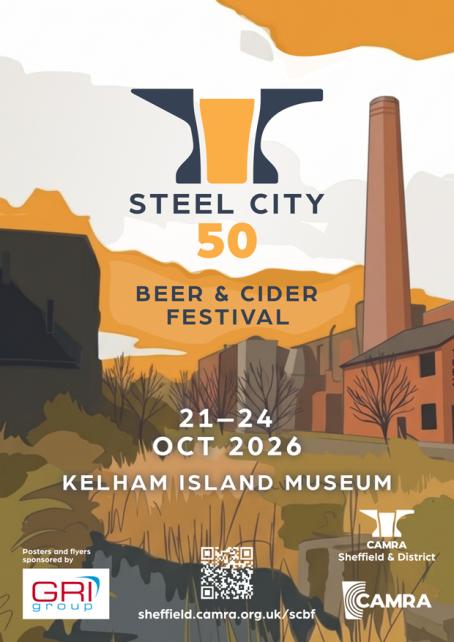 Steel City Beer & Cider Festival
Kelham Island Museum, Alma Street, Sheffield, South Yorkshire, S3 8RY
21-24 October 2026
-
Beers & Breweries
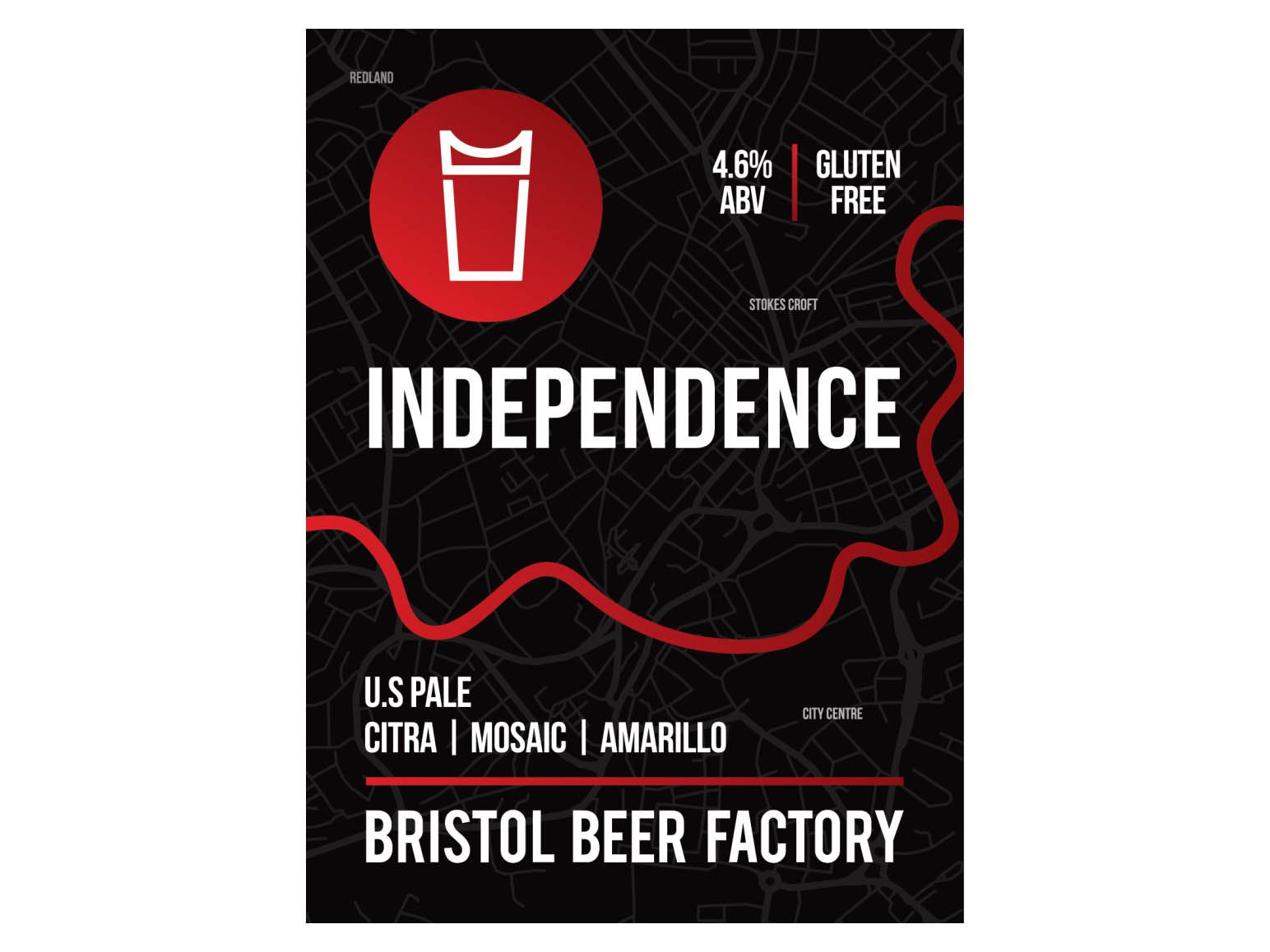 Bristol Beer Factory - Independence
The Old Brewery, Durnford Street, Ashton, Bristol, BS3 2AW
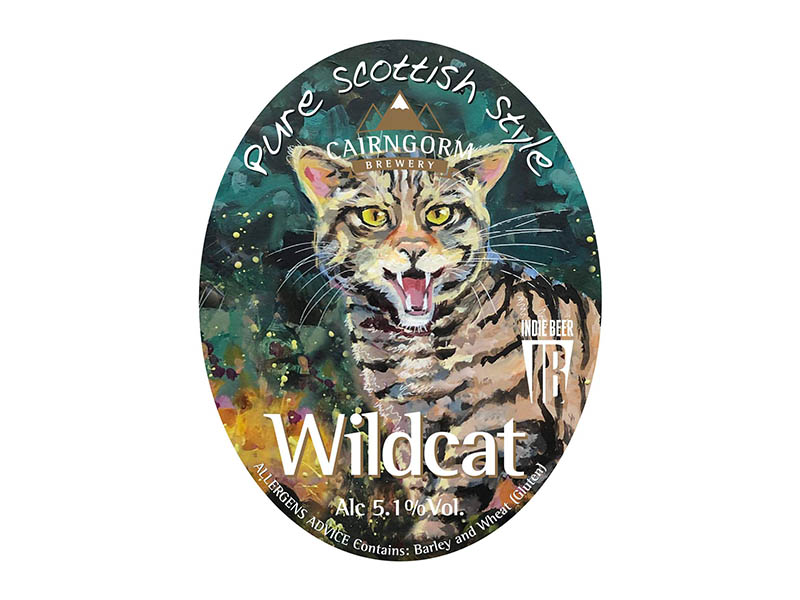 Cairngorm - Wildcat
Unit 12, Dalfaber Industrial Estate, Aviemore, PH22 1ST
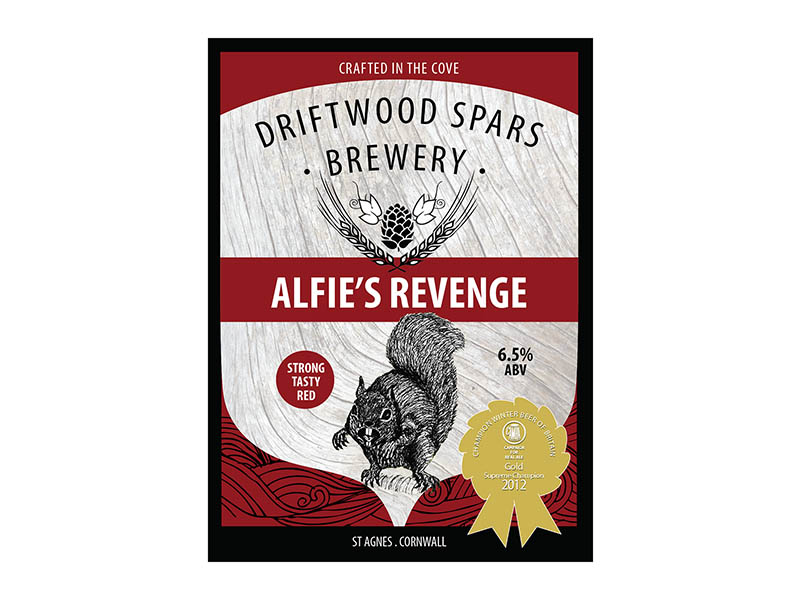 Driftwood Spars - Alfie's Revenge
Driftwood Brewery, Trevaunance Cove, St Agnes, TR5 0RY
-
Cider & Perry
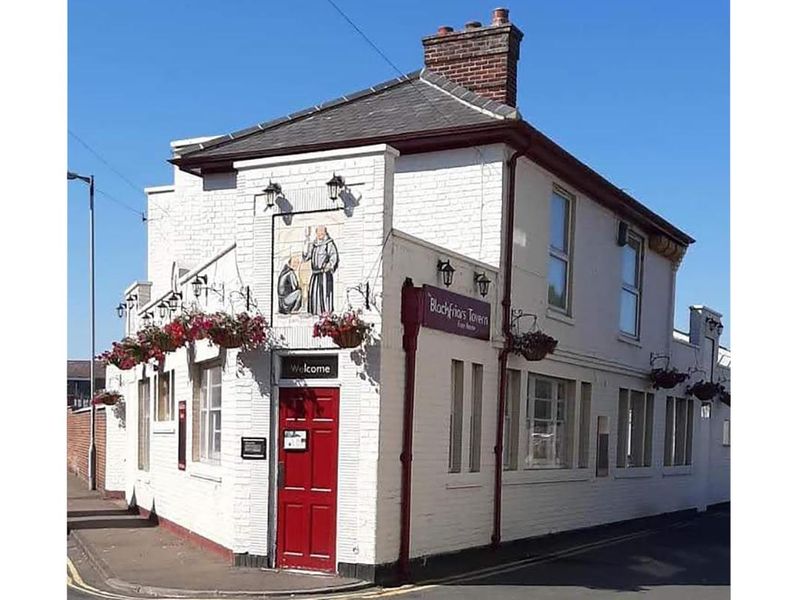
 Find real cider and perry producersBlackfriars Tavern, Great Yarmouth
94 Blackfriars Road, Great Yarmouth, NR30 3BZ
 Frequently asked questions
 Submit Producer
 -
Take Action
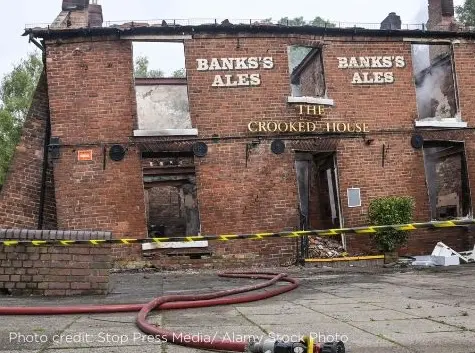 Has your local pub closed?
 Additional resources
 - TasteMatch
- Shop
- Learn & Discover
- Volunteer Resources Area
- My Trips